Arabica Wet Hulled
- Origin
- Garut, West Java
- Species
- Arabica
- Process
- Wet hulled (semi-washed)
- Altitude
- 1,000–1,600 masl
Chocolate · Spice · Full body · Clean acidity
Moisture 13% · G1 / G2View coffee
Coffee dossier · 03 / 04
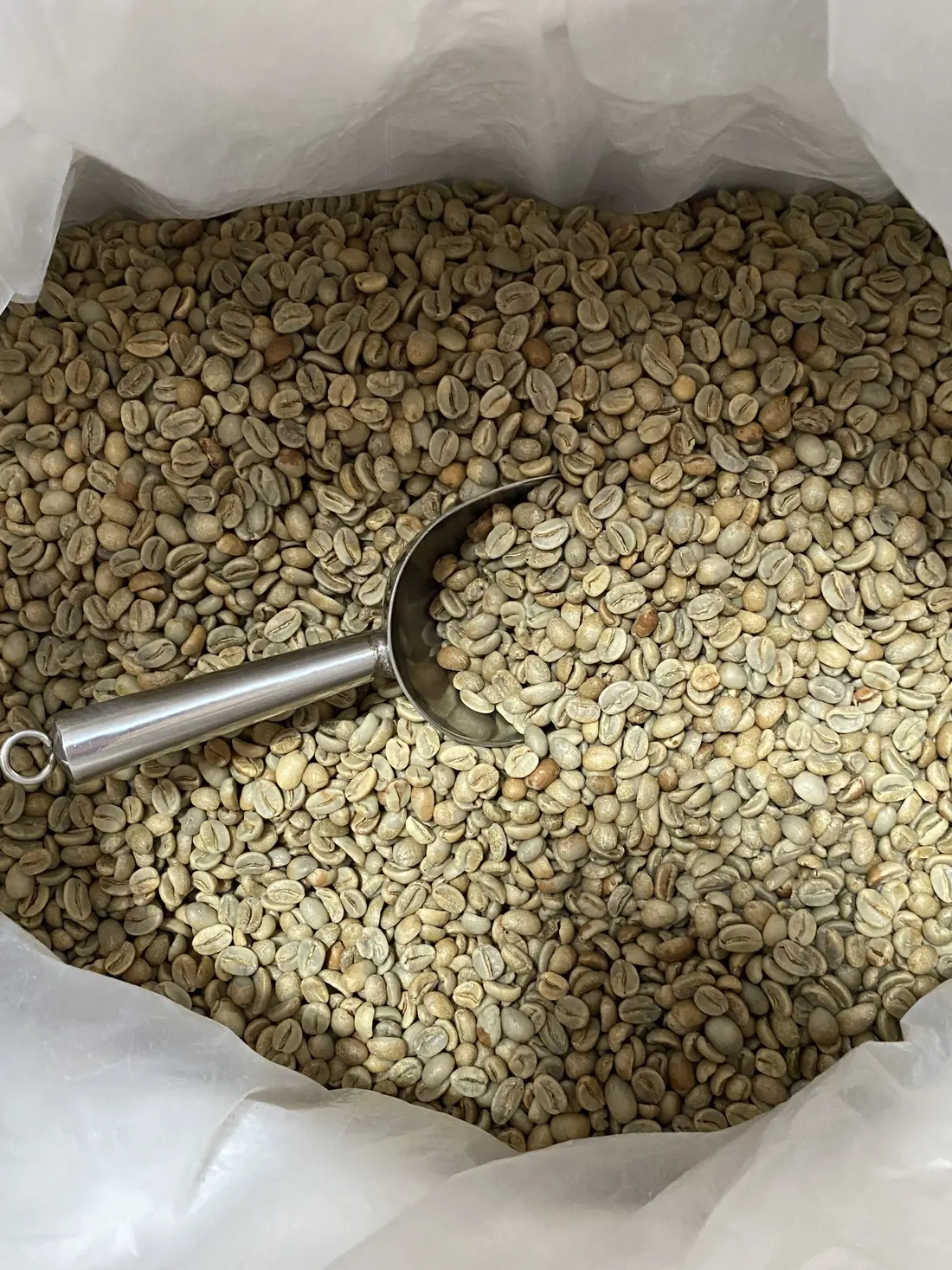
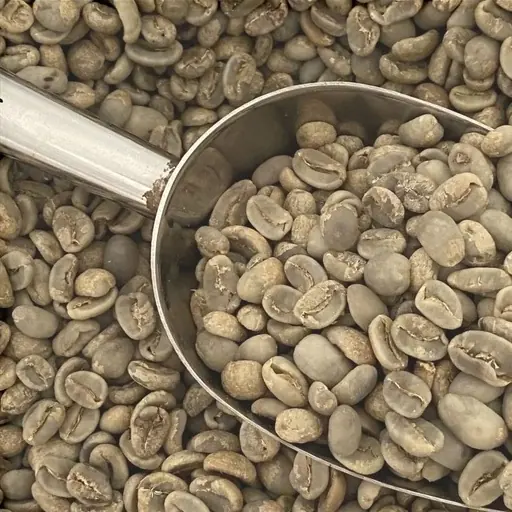
Garut Arabica dried whole, inside its skin and fruit. Dominated by dark chocolate, dried blueberry, wine-like notes and stone fruit, creating a complex character with a distinctive flavour.
03Cup character
A qualitative picture (scale 1–5) based on our tasting notes, not a cupping score.
04Where it grows
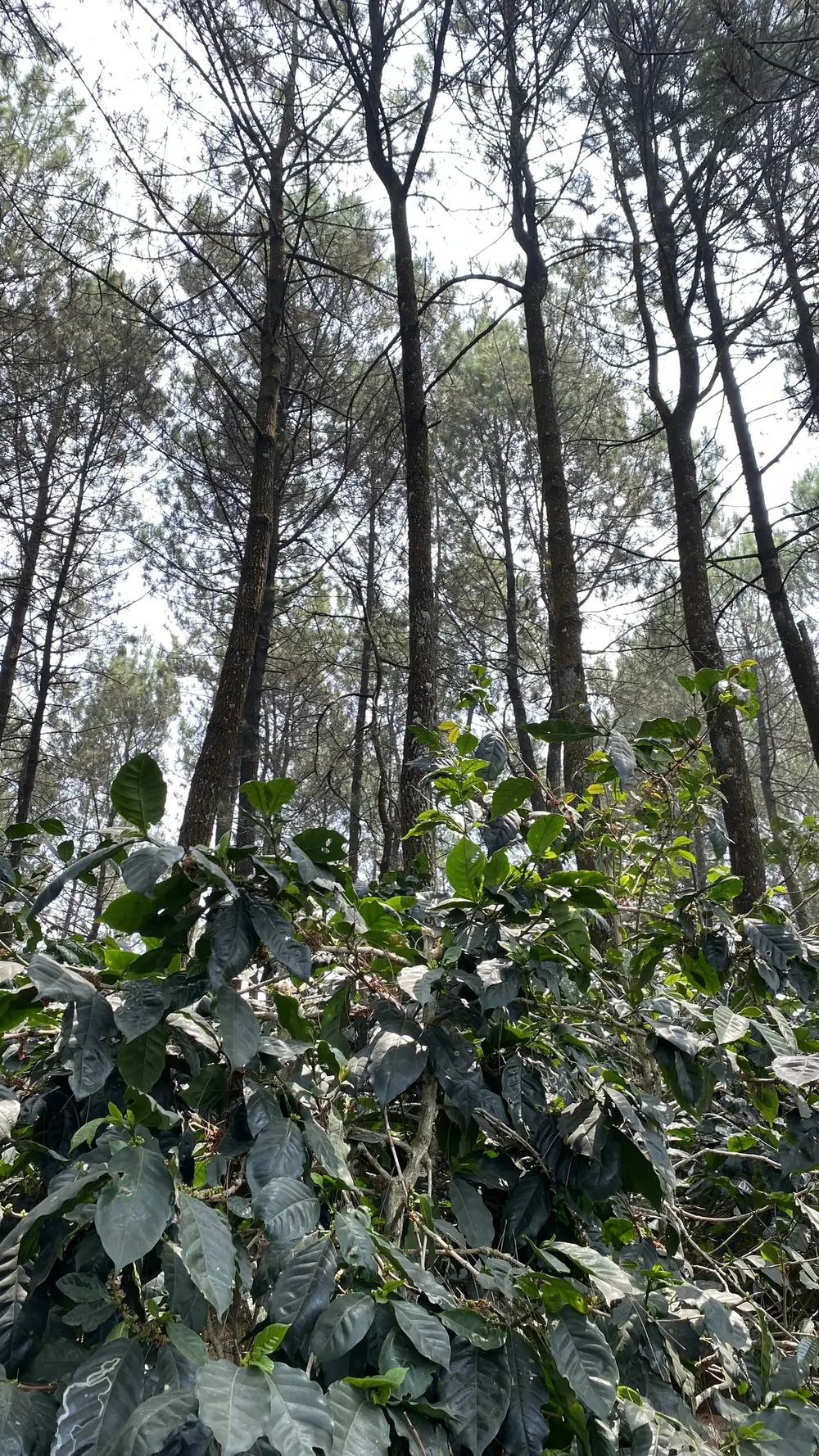
This Arabica grows on our partner farms in Garut, at 1,000–1,600 m, with the harvest peaking in June.
In the natural process the coffee cherries are dried whole, together with their skin and fruit, without being peeled first. They must be turned two to three times a day so they dry evenly and do not mould. The reward is strong fruit notes and a high natural sweetness.
Explore Garut05How it is processed
How Arabica Natural Classic is processed, from cherry on the tree to green coffee ready to ship.
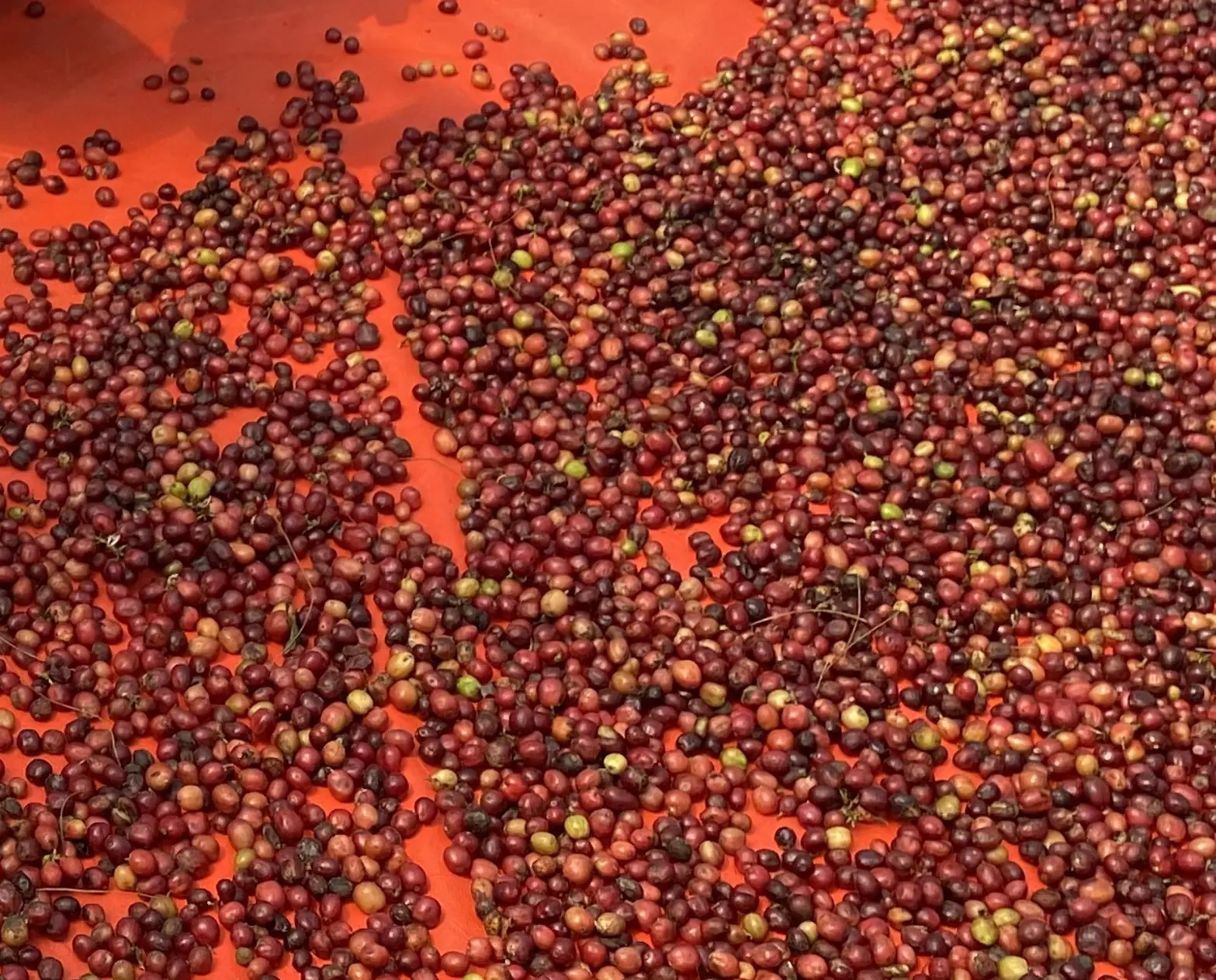
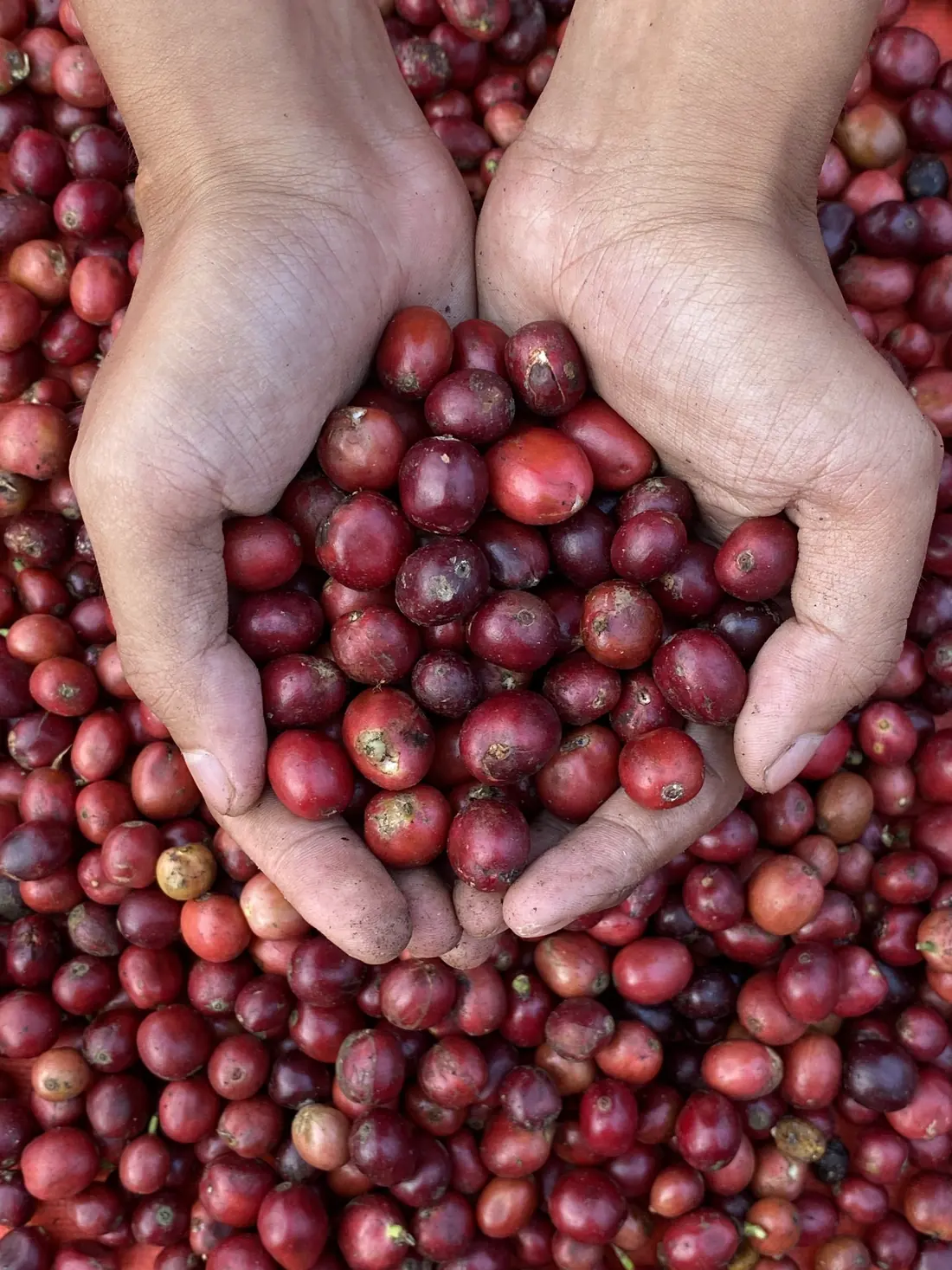
Only fully ripe red cherries are picked.
Damaged or unripe cherries are removed.
The whole cherries go straight onto raised beds, unpeeled.
Turning is essential to prevent mould.
Drying takes 10–14 days, down to 11–12% moisture.
The dried skin and parchment are removed together.
The beans go through the suton to separate out defective beans.
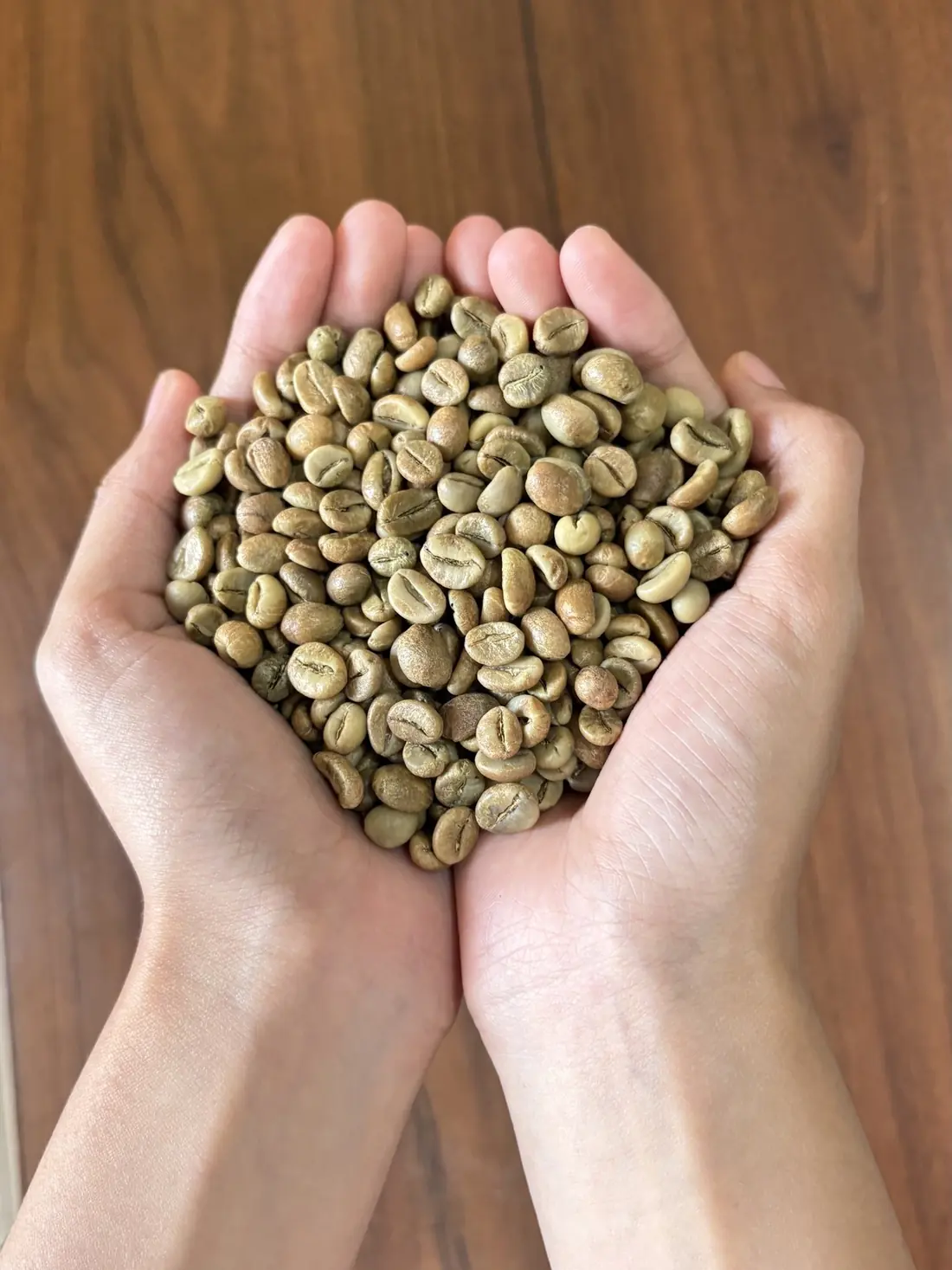
The green beans are sorted once more, then bagged.
06Quality
Every lot goes through the suton and hand sorting, then is moisture-checked before bagging. Lot data (moisture, grade, volume) comes with your sample and offer.
07Lots
Currently available lots will be listed here. For now, ask us for the latest lots.
No public lot record for this coffee yet. Ask for available lots →
08Request a sample
Only name and email are required. Samples are available; size and cost are agreed together.
09Related coffees
Chocolate · Spice · Full body · Clean acidity

Milk chocolate · Citrus · Floral · Caramel
Nutty · Woody · Chocolate · Low acidity